
Toilet Keeps Running? Causes and Repair Guide
Learn why your toilet keeps running, the most common causes, simple checks you can do at home, and when to call a professional plumber.
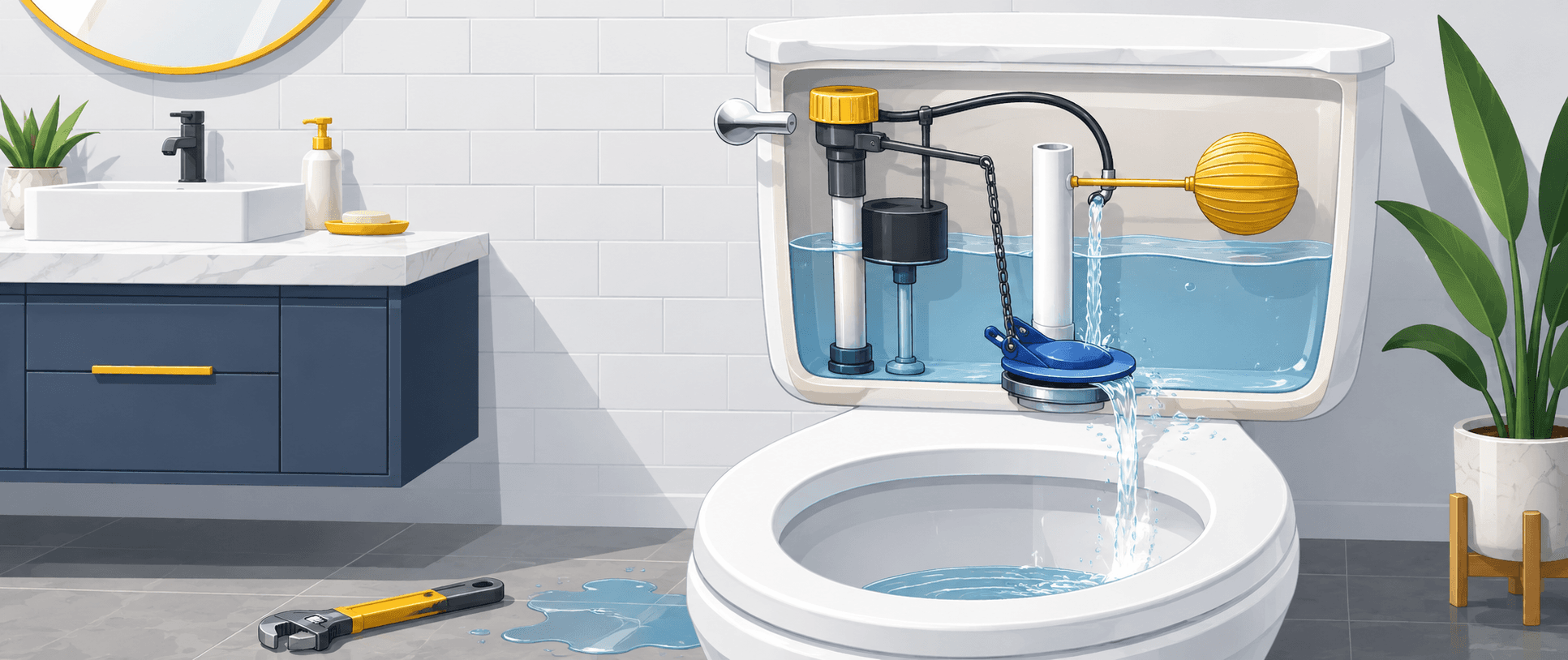
A toilet that keeps running after flushing may appear to be a small plumbing problem yet it can waste a surprising amount of water and quietly raise your utility bills. In homes a running toilet stays active for hours because the issue hides inside the tank.
The good news is that many causes are easy to spot. This guide explains the common reasons a toilet keeps running what you can safely check yourself and when it is better to call a professional plumber.
Why a Running Toilet Matters
A toilet should refill after flushing. Then stop automatically. If water continues moving inside the tank or bowl something does not. Control the water correctly.
Ignoring the issue can lead to:
toilet water is wasted
water bills
weak or inconsistent flushing
faster wear of toilet parts
overflow risk in some cases
repeated plumbing problems
If the problem keeps coming back it usually means that the toilet needs more, than a quick adjustment.
Common Causes of a Toilet That Keeps Running
1. Faulty Flapper or Flush Valve
The flapper controls water moving from the tank into the toilet bowl. If the flapper does not seal properly water slowly leaks into the bowl. The tank keeps refilling.
Common reasons include:
Worn rubber
Mineral buildup
Incorrect alignment
Damage around the valve seat
A damaged flapper is one of the common causes of a running toilet.
2. Float Set Too High
The float controls when the water supply stops. If the float is set high water may keep rising until it flows into the overflow tube. This causes refilling even when there is no visible leak outside the toilet. Lowering the float slightly may solve the problem.
3. Faulty Fill Valve
I have seen how the fill valve controls the water flow that enters the tank after each flush.
If a fill valve is faulty the fill valve might fail to stop the water in time.
Constant hissing
Slow filling of the tank
Water running into the tank
tank water levels
If cleaning or adjusting the fill valve does not solve the problem you may need to replace the fill valve.
4. Damaged Flush Chain
The chain connects the handle to the flapper. If the chain is too tight the flapper may remain slightly open. If the chain is too loose it can become trapped underneath the flapper and prevent a seal. The chain should have an amount of slack when the toilet is not being flushed.
5. Water Entering the Overflow Tube
Open the toilet tank. check if water is getting into the overflow tube. If it is, then one of the following two reasons must be the cause:heck if water is running into the overflow tube. If yes, the culprit may be the
incorrect float height
A fill valve
Excessive tank water level
The normal water level should stay below the top of the overflow tube.
6. Damaged Tank Components
Older toilets may have worn parts at the same time. Rubber seals can become brittle plastic parts may. Mineral deposits can interfere with moving components. Repeatedly fixing parts may not solve the problem if the entire flushing system is worn.
How to Check a Running Toilet
Before calling a plumber you can perform an inspection.
Step 1: Remove the Tank Lid
Carefully set the lid safe. Flush the toilet. Watch what happens in the tank.
Step 2: Check the Flapper
Make sure that your flapper closes completely after the toilet has been flushed. If you have to manually push the flapper down to stop the running toilet, then you know the problem is either in the flapper or its seal.
Step 3: Check the Float
See whether the water reaches the overflow tube. If it does lower the float slightly.
Step 4: Inspect the Chain
Make sure the chain is not caught, twisted, too tight or excessively loose.
Step 5: Listen to the Fill Valve
hissing after the tank is full often points to a fill valve issue.
A Simple Leak Test
If you suspect an internal leak add a few drops of food colouring to the toilet tank without flushing. Wait around 15 to 20 minutes. If coloured water appears in the toilet bowl water is leaking from the tank into the bowl. This usually indicates a problem with the flapper, valve or seal.
When DIY Repair May Be
Small problems may be manageable when:
The chain only needs adjustment
The float is incorrectly positioned
The flapper is visibly worn and easy to replace
Mineral deposits can be cleaned
Always turn off the toilet water supply before removing internal components.
When to Call a Professional Plumber
a professional plumber should be called
When the toilet keeps running even after adjusting it
There is a leak around the toilet base
The tank or bowl cracks
The toilet needs a new flush valve assembly
It is clogging often
There are several plumbing issues in the bathroom
It's unclear what the problem is
Many issues with toilets can be related to other issues in the bathroom's plumbing or water pressure.
For support Gigwell provides bathroom plumbing services and complete plumbing services for home plumbing problems.
How to Prevent Future Toilet Problems
A little maintenance can help reduce repairs.
Try to:
Avoid forcing the flush handle
Check for unusual tank noises
Repair small leaks early
Clean mineral buildup
Avoid flushing unsuitable waste
Inspect older toilet components periodically
Monitor unexplained increases in water usage
If you notice water around the toilet or nearby walls it may also be worth checking for a hidden leak using professional water leak repair services.
Asked Questions
Why does my toilet keep running after flushing?
The common causes are a faulty flapper, incorrect float setting, damaged fill valve or flush chain problem.
Can a running toilet increase my water bill?
Yes. A continuous leak can waste huge amounts of water per day and increase consumption.
Is a running toilet an emergency?
Usually not. It should be repaired quickly. If water is overflowing or leaking onto the floor shut off the supply valve. Seek help immediately.
Should I replace the toilet?
Not always. Running toilet problems can be repaired by replacing or adjusting internal components.
A toilet that keeps running is usually a warning that one or more tank components are not working correctly. In cases a small adjustment or replacement part can solve the issue. However recurring leaks, valves or water, around the toilet should not be ignored.
Fixing the problem early helps save water prevent damage and keep your bathroom plumbing working.
Need a plumber or bathroom upgrade in Morbi?
Contact Gigwell